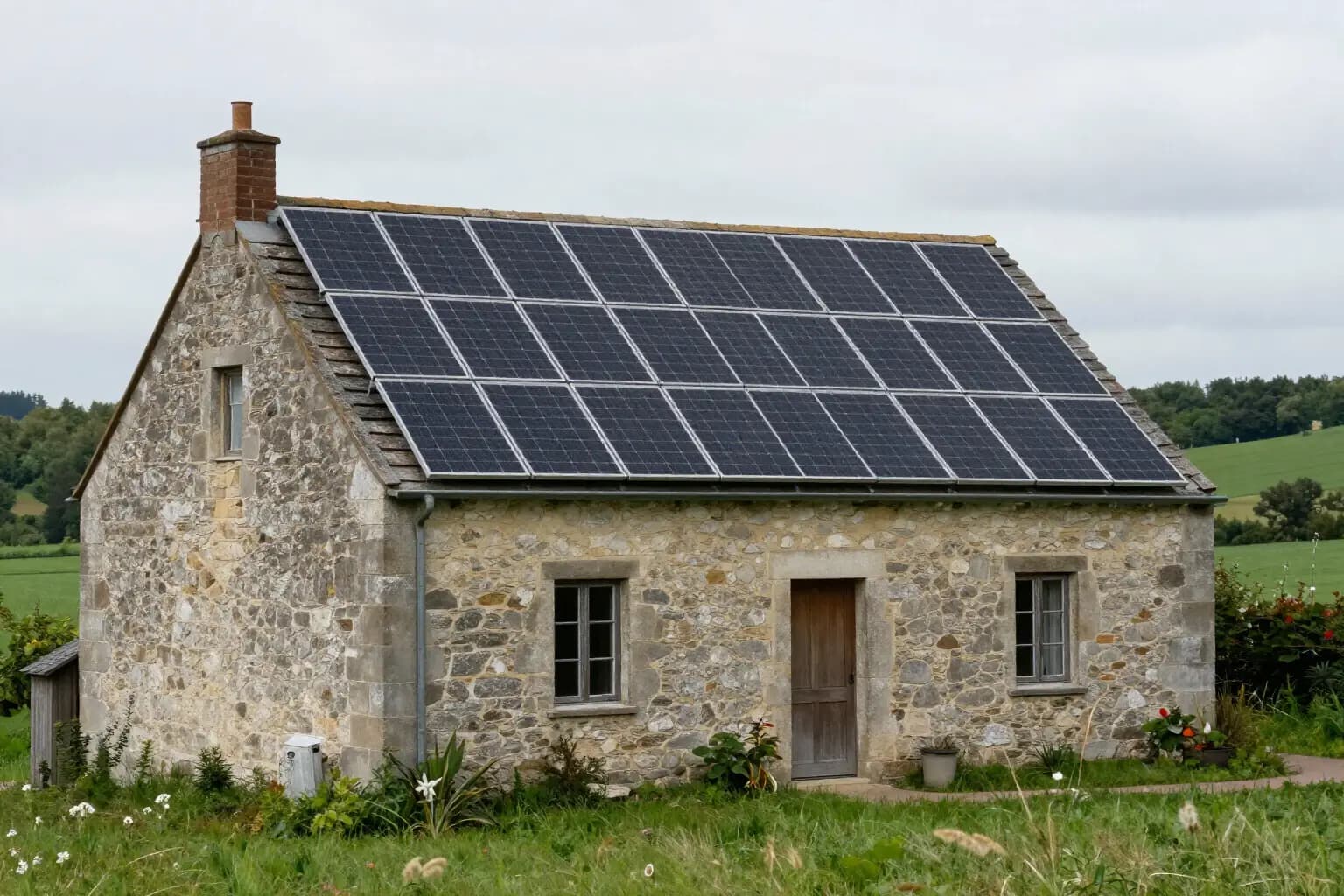
Stone farmhouse
Pitched south roof. The panels sit flush with the slates.
- System
- 7.2 kW
- Panels
- 18 panels
- Output
- 9,360 kWh a year
Brightfield Solar
Enter your bill and roof direction for a quick estimate. A surveyor then measures the roof, checks for shade, and sets the final size and price.
A first number before you book anything. It assumes electricity at $0.16 per kWh and a system that covers 90% of what you use in a year. The survey replaces both with measured figures.
Step 1
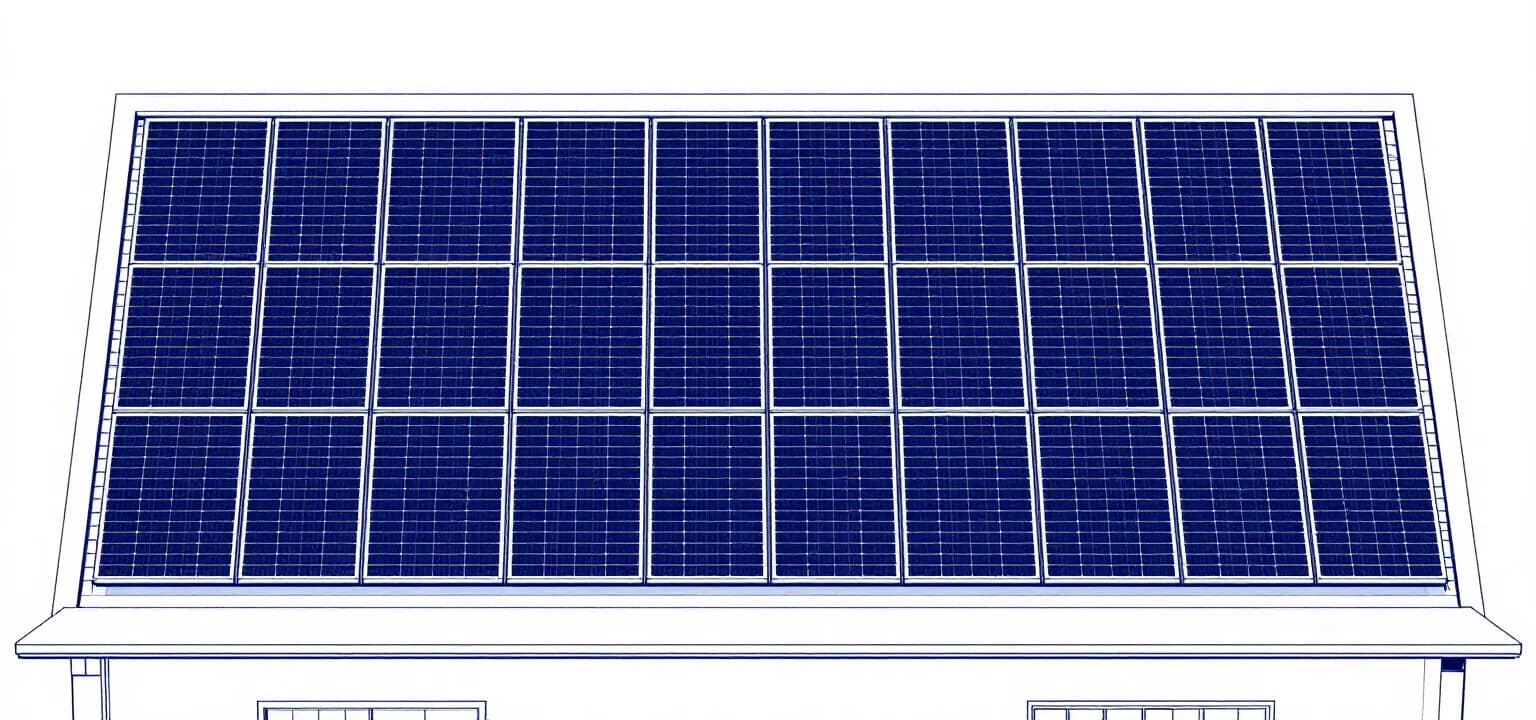
A surveyor walks the roof, checks for shade and looks at your fuse board. Afterward you get a panel layout and a fixed price.
Step 2
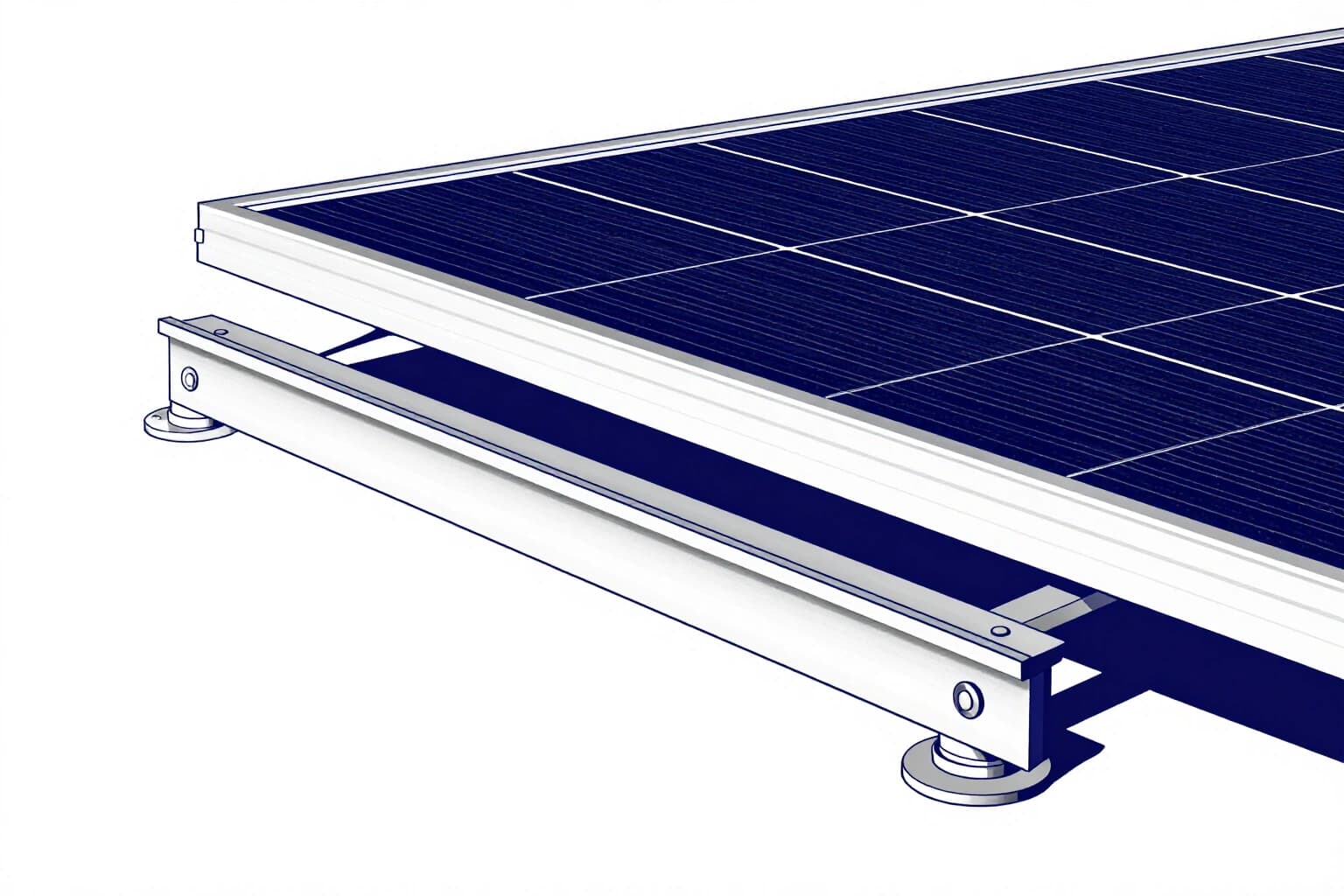
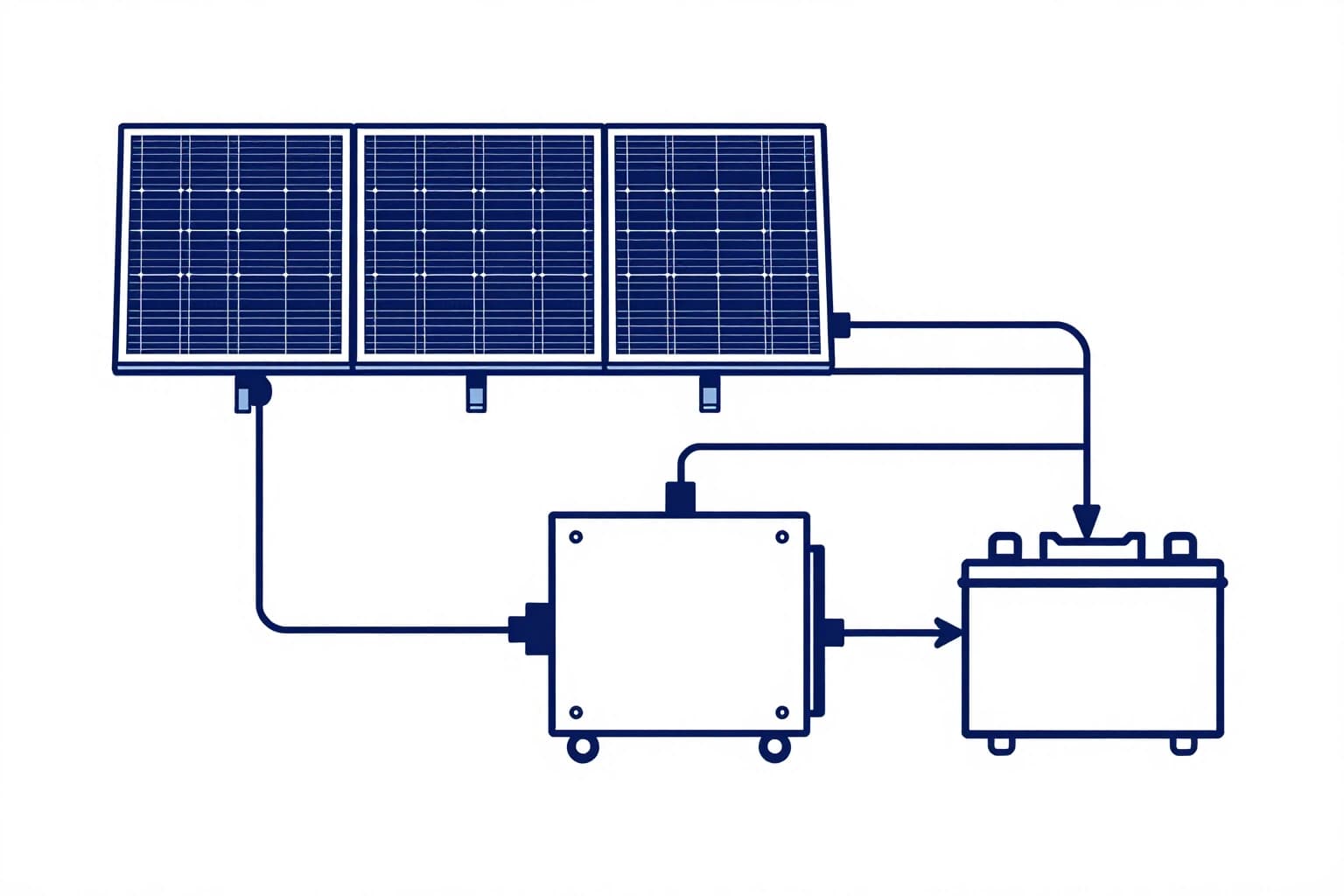
Mounting feet go into the rafters under flashing, so the roof stays watertight. Rails run across the feet and the panels clamp onto them.
Step 3
Panels are wired in strings to the inverter, with a battery if you chose one. We test every string before we leave, then file the paperwork with your utility.
Yearly output is the design figure for each roof, not a meter reading.
Pitched south roof. The panels sit flush with the slates.
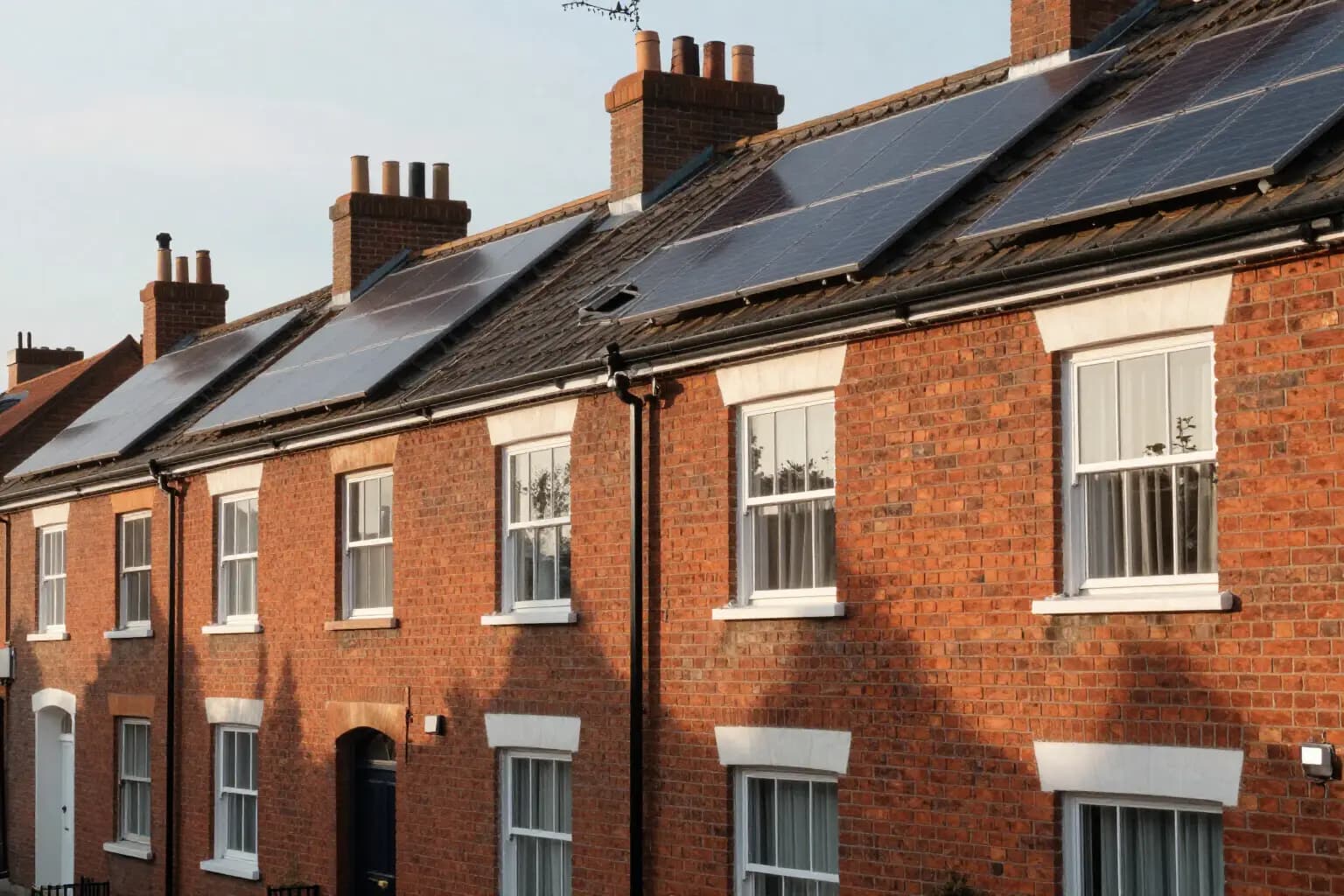
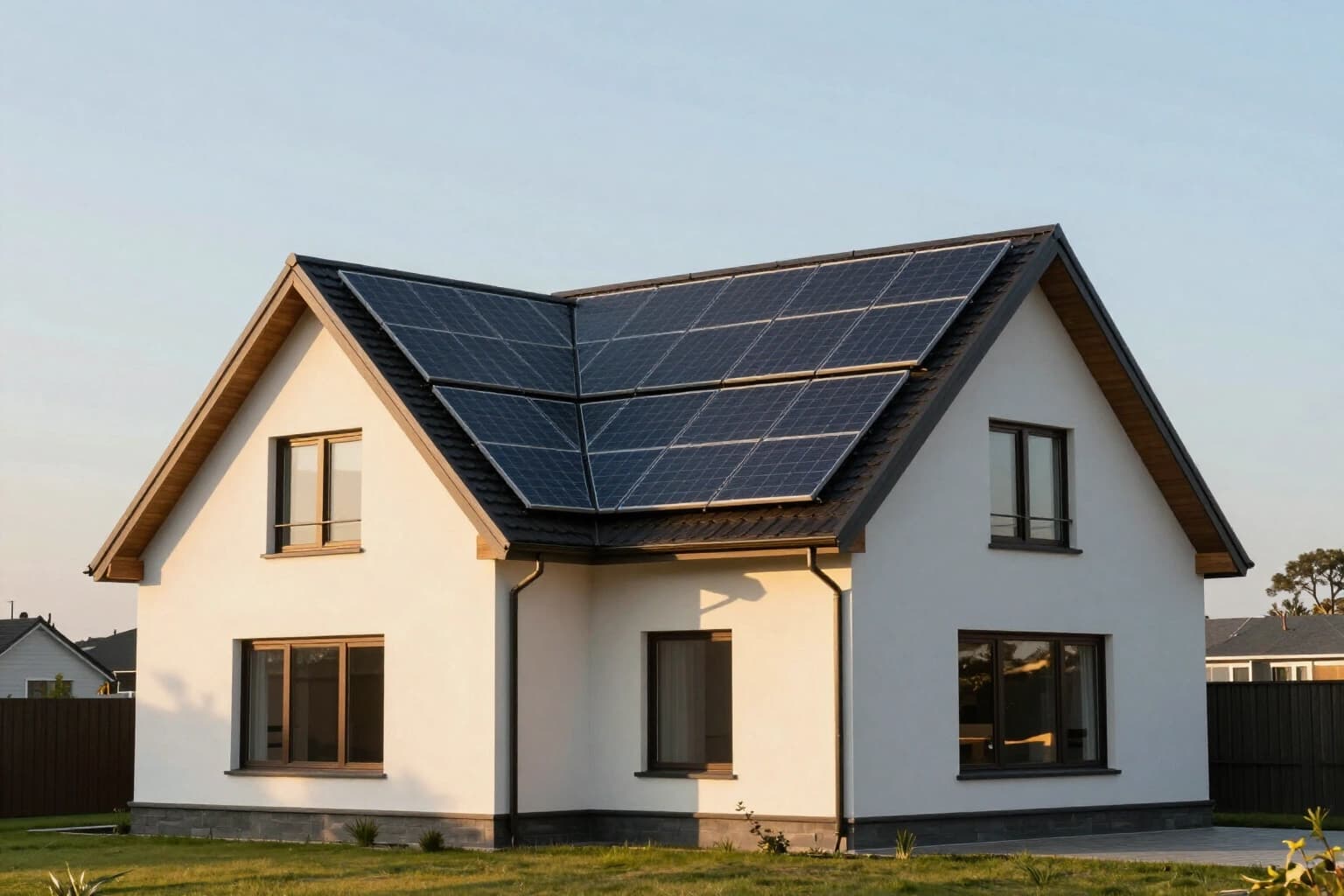
East-facing street pitch. One inverter serves the whole array.
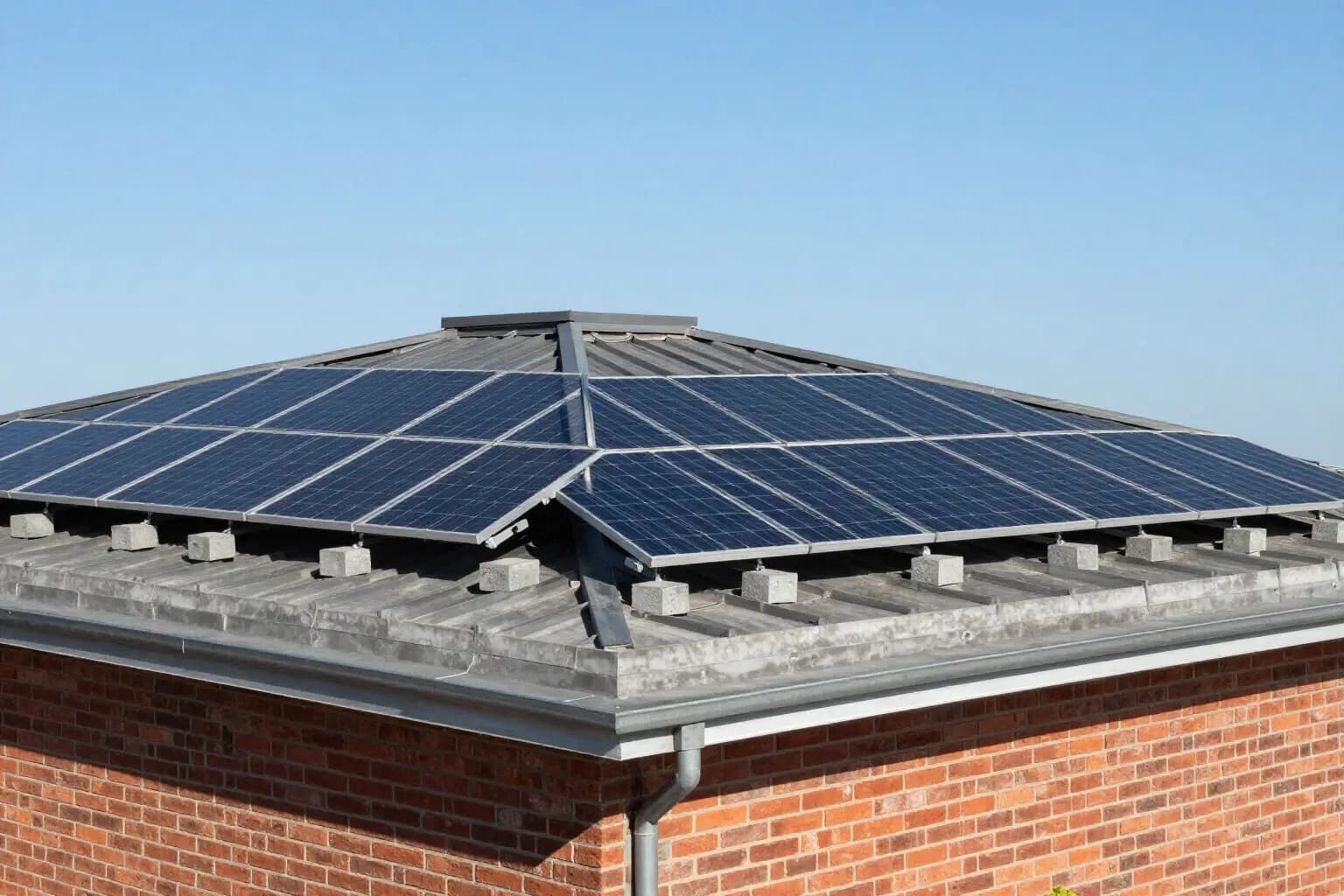
Parapet roof. Panels sit on ballast blocks, so nothing is drilled through the membrane.
Surveys run Monday to Saturday and take about an hour. Pick a date at least two days out and a surveyor will call to confirm.
480 Meridian Avenue, Suite 3, Larchmont Flats
It assumes $0.16 per kWh, 1,300 kWh a year for every kW of south-facing panels, and a system sized to cover 90% of your use. Cost is $2,400 per kW after incentives. The survey replaces these assumptions with measured figures.
No. A battery keeps the lights on in an outage and moves your use to the evening. Most homes start without one, and we leave the wiring ready to add it later.
One to two days for most homes. The survey comes first and takes about an hour.
Some shade is normal. We map it during the survey and place panels around it. If your roof needs work within ten years, we tell you before anything goes up.